

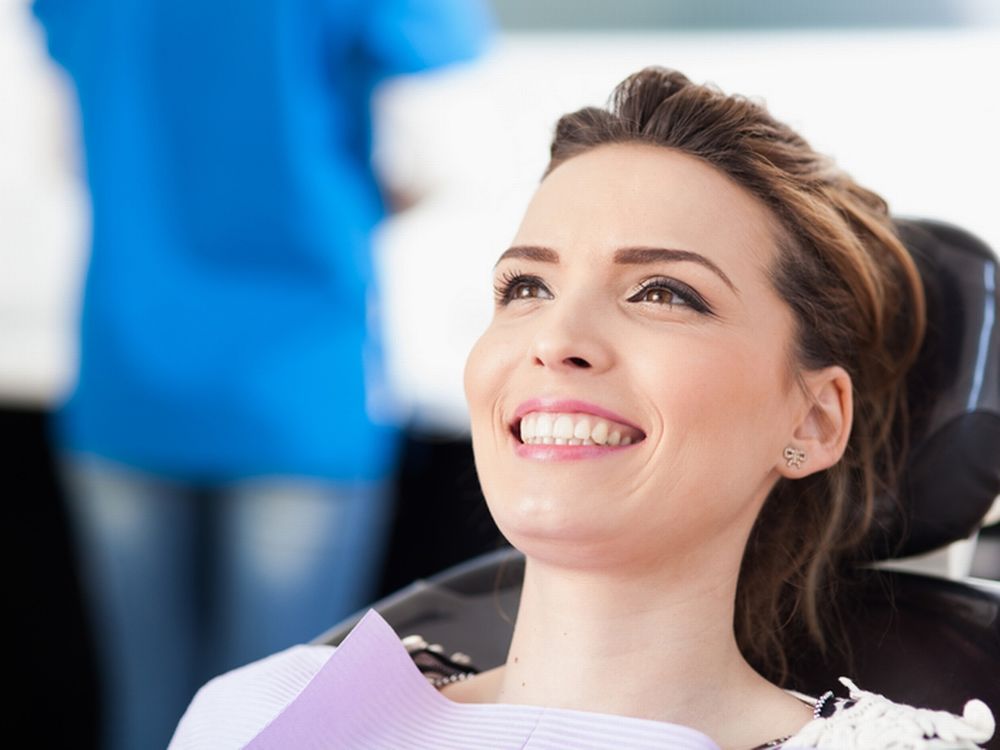
Exploring the Evolution of Modern Dental Care
The landscape of dental care from a dentist Coorparoo has undergone remarkable transformation over the past decade, with adaptive dentistry emerging as a revolutionary approach to addressing diverse oral health challenges. This innovative methodology represents a significant departure from traditional one-size-fits-all dental treatments, instead embracing personalised solutions that cater to individual patient needs and circumstances.
Adaptive dentistry recognises that each patient presents with unique anatomical features, lifestyle factors, and oral health requirements. Rather than applying standardised treatment protocols, practitioners now employ sophisticated assessment techniques and cutting-edge technologies to develop bespoke treatment plans. This approach ensures that patients receive precisely the care they need, when they need it, in a manner that aligns with their specific circumstances.
The Science Behind Personalised Oral Healthcare
At its core, adaptive dentistry relies on comprehensive patient assessment and advanced diagnostic tools to create individualised treatment strategies. Modern dental practices utilise digital imaging, 3D scanning technologies, and sophisticated analysis software to gain unprecedented insights into each patient’s oral anatomy and health status. These tools enable practitioners to identify subtle variations in tooth structure, jaw alignment, and soft tissue characteristics that might otherwise go unnoticed.
The integration of artificial intelligence and machine learning algorithms has further enhanced the precision of diagnostic capabilities. These technologies can analyse vast amounts of patient data to identify patterns and predict potential complications, allowing practitioners to proactively address issues before they become problematic. For instance, a dentist might utilise these advanced systems to develop treatment plans that account for local environmental factors and patient demographics specific to their region.
Technological Innovations Driving Change
Revolutionary technologies transforming dental practice efficiency have become instrumental in delivering adaptive dental care. Digital impression systems have replaced traditional moulds, providing more accurate measurements whilst improving patient comfort. Laser dentistry techniques offer minimally invasive treatment options for various conditions, reducing recovery times and enhancing patient experiences.
Computer-aided design and manufacturing (CAD/CAM) systems have revolutionised the creation of dental restorations, enabling same-day crowns, bridges, and other prosthetic devices. These systems ensure precise fit and superior aesthetics whilst reducing the number of appointments required for treatment completion.
Patient-Centred Treatment Approaches
Adaptive dentistry places considerable emphasis on understanding patient preferences, concerns, and lifestyle factors that may influence treatment outcomes. This holistic approach considers elements such as dietary habits, occupational requirements, recreational activities, and personal aesthetic goals when developing treatment plans. Practitioners engage in detailed consultations to ensure that proposed treatments align with patient expectations and practical considerations.
The methodology also accommodates varying pain thresholds and anxiety levels through customised sedation options and comfort measures. Some patients may benefit from progressive treatment schedules that allow for gradual adaptation to dental procedures, whilst others may prefer comprehensive treatment completion in fewer sessions.
Future Developments in Adaptive Dental Care
The trajectory of adaptive dentistry continues to evolve with emerging technologies and treatment methodologies. Regenerative dentistry techniques are showing promising results in tissue repair and tooth regeneration, potentially offering alternatives to traditional restorative approaches. Emerging trends reshaping modern dental practice indicate that these developments will become increasingly accessible to patients in the coming years.
Teledentistry platforms are expanding access to specialist consultations and follow-up care, particularly beneficial for patients in remote areas or those with mobility limitations. These digital health solutions enable continuous monitoring of treatment progress and provide platforms for patient education and engagement.
Recent technological breakthroughs in dental treatment demonstrate the rapid pace of innovation within the field, with new developments consistently enhancing treatment precision and patient comfort.
Embracing the Future of Oral Healthcare
Adaptive dentistry represents a paradigm shift towards truly personalised oral healthcare, acknowledging that successful treatment outcomes depend on careful consideration of individual patient characteristics and needs. This approach ensures that dental care evolves alongside technological advancement whilst maintaining focus on patient welfare and satisfaction. As these methodologies continue to develop, patients can expect increasingly sophisticated, comfortable, and targeted dental treatments that address their unique oral health requirements with unprecedented precision and care.
Any surgical or invasive procedure carries risks. Before proceeding you should seek a second opinion from an appropriately qualified health practitioner.