

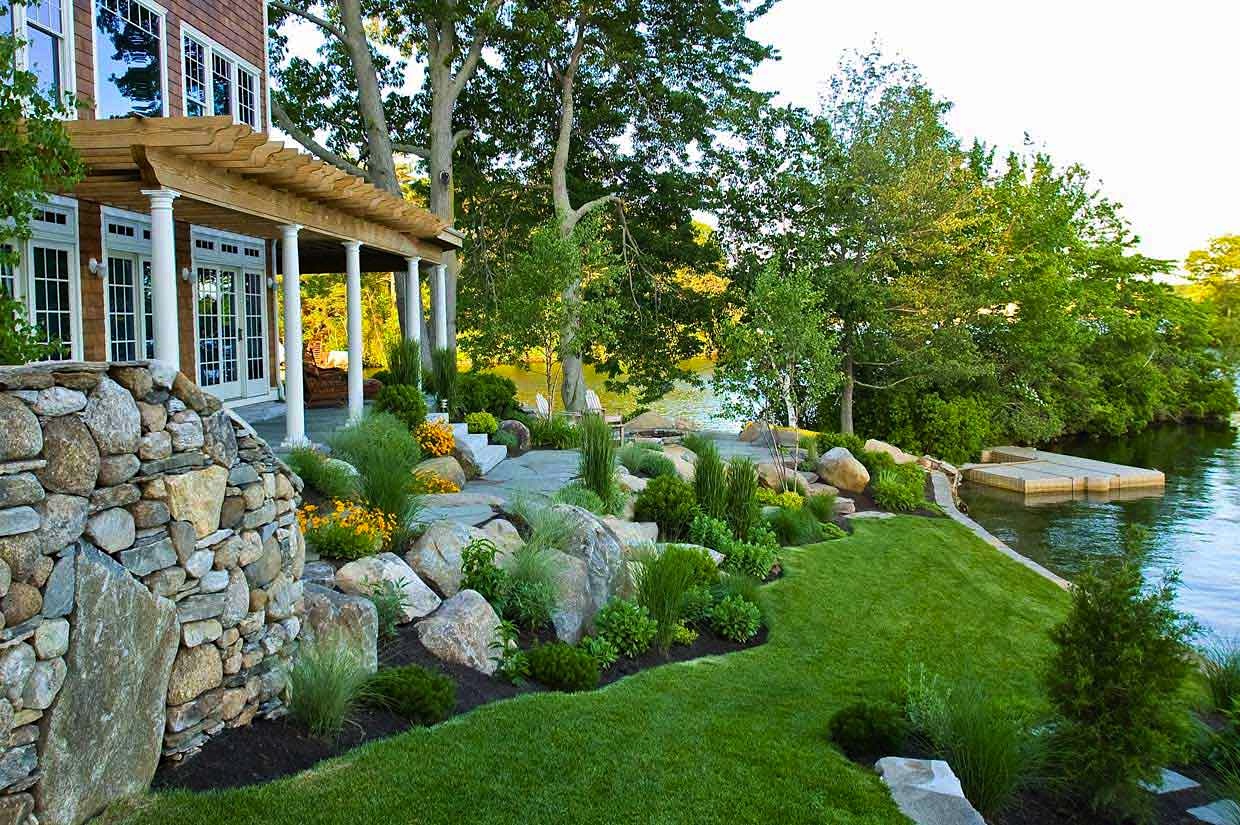
Outdoor areas often lose clarity as years pass and routines shift. Property owners look for better flow, safer access, improved upkeep, and results. Design changes help restore order while supporting present-day needs. A focused approach improves usability without waste or confusion. Strong planning supports defined zones, smoother movement, and dependable results. Each decision builds toward lasting improvement guided by clear intent. Professional support often helps align goals, budgets, and timing through landscaping companies in san Antonio.
Activity Flow Review
Older yards may reflect outdated movement patterns, causing confusion or unused areas. Reviewing how people move highlights weak connections, blocked paths, and ignored sections. Clear flow improves daily use while reducing wear on key areas. Defined routes help maintain order without crowding. This review guides all future updates effectively.
Hard Area Refresh
Walkways, patios, and access points face wear from frequent use. Refreshing these areas improves the safety grip visual order. Strong finishes reduce repair needs while supporting daily routines. Clean edges help guide movement naturally. These updates improve usability without major disruption.
Feature Alignment Improvements
Built elements guide behavior, protect surfaces, and define boundaries. Older features may no longer match present needs. Adjusting placement improves balance, safety, and usefulness. Clean alignment supports order without excess structures. Expert input often helps ensure long-term reliability and clarity.
Water Flow Control
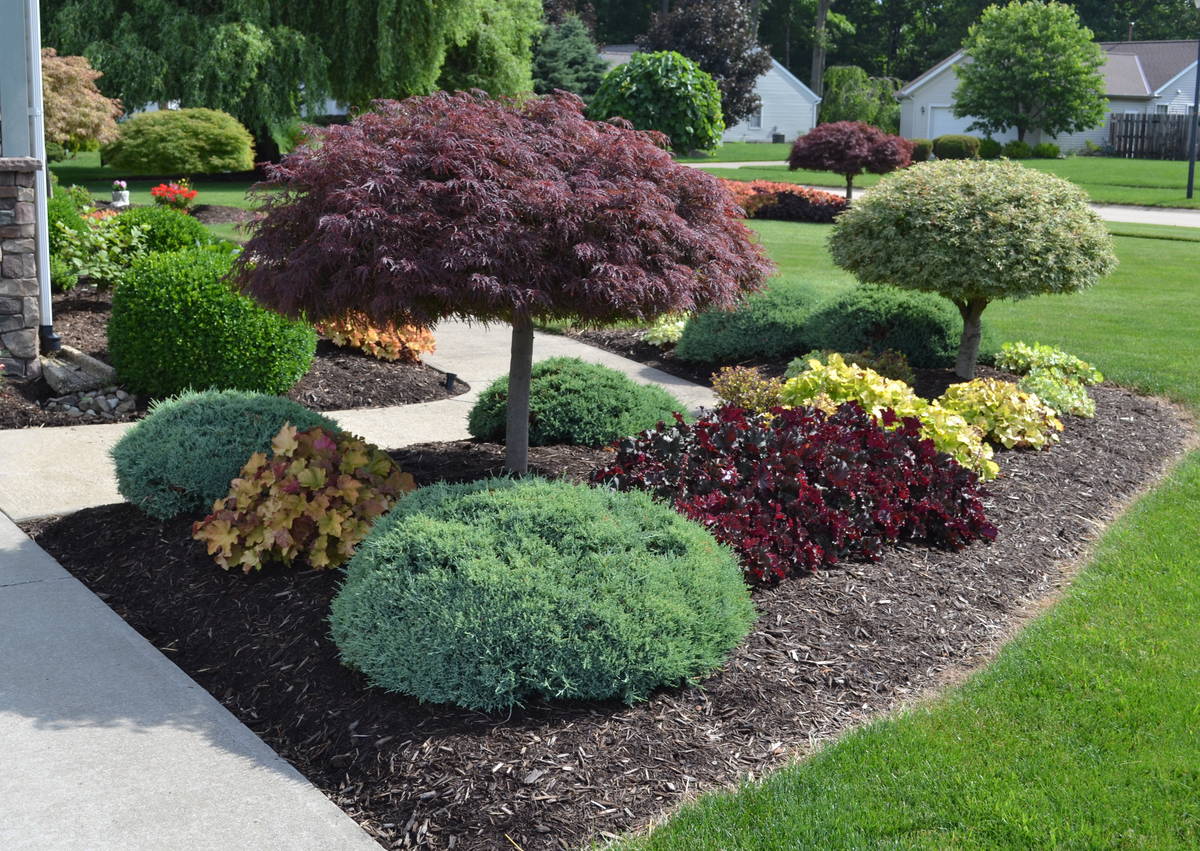
Poor runoff leads to surface damage, pooling in weak ground areas. Improving flow protects structures and paths near the nearby sections. Proper grading supports long-term stability with less upkeep. Controlled water movement preserves earlier improvements. This step prevents repeated repairs over time, a standard approach followed by landscaping companies in san antonio to ensure lasting results.
Budget-Based Phasing
Step-by-step progress helps manage cost, timing, and effort. Each phase delivers visible improvement without overwhelming change. Clear stages keep goals focused and achievable. Early wins build momentum for later work. The points below outline helpful phased priorities.
- Improve walk paths first to support daily safety and access
- Update seating zones to match current usage needs
- Repair borders to protect edges from gradual damage
- Address runoff areas to prevent surface deterioration
- Adjust lighting areas for evening visibility support
Lasting yard improvement depends on purpose-driven choices rather than quick fixes. Reviewing movement features and water control funding together creates dependable results. Each action supports the next without strain. Owners gain steady progress, easier upkeep, and clearer use patterns.
FAQ
What signs suggest outdoor upgrades are necessary soon?
Uneven paths, fading surfaces, and pooling water indicate timely improvement needs.
Can updates continue while the area remains usable?
Phased changes allow access while work progresses smoothly.
Why structured planning lowers future repair demands?
Clear priorities prevent repeated fixes and support durable outcomes.